
Description
Traditional Hourglass Coil Springs for Upholstery Seat Repairs
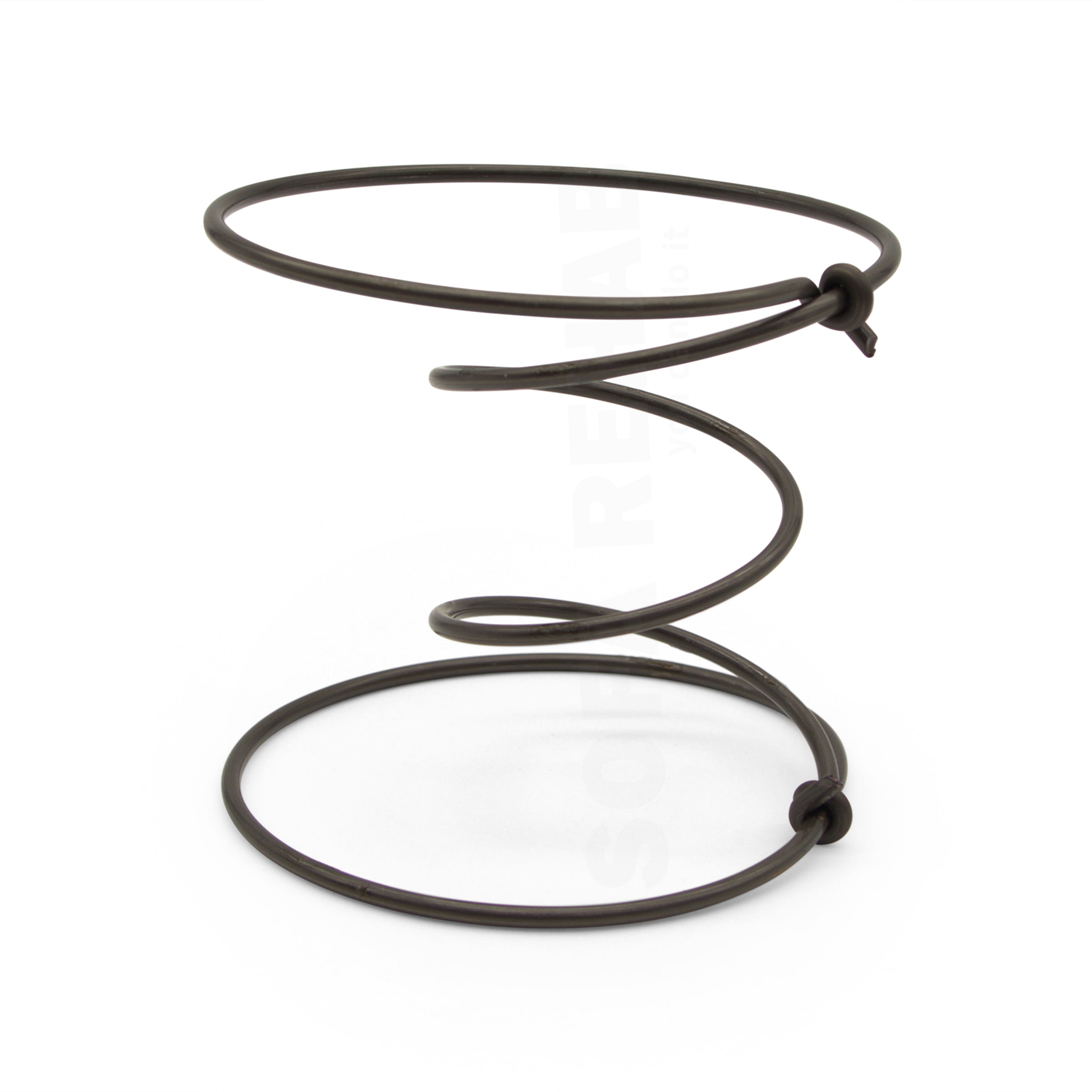
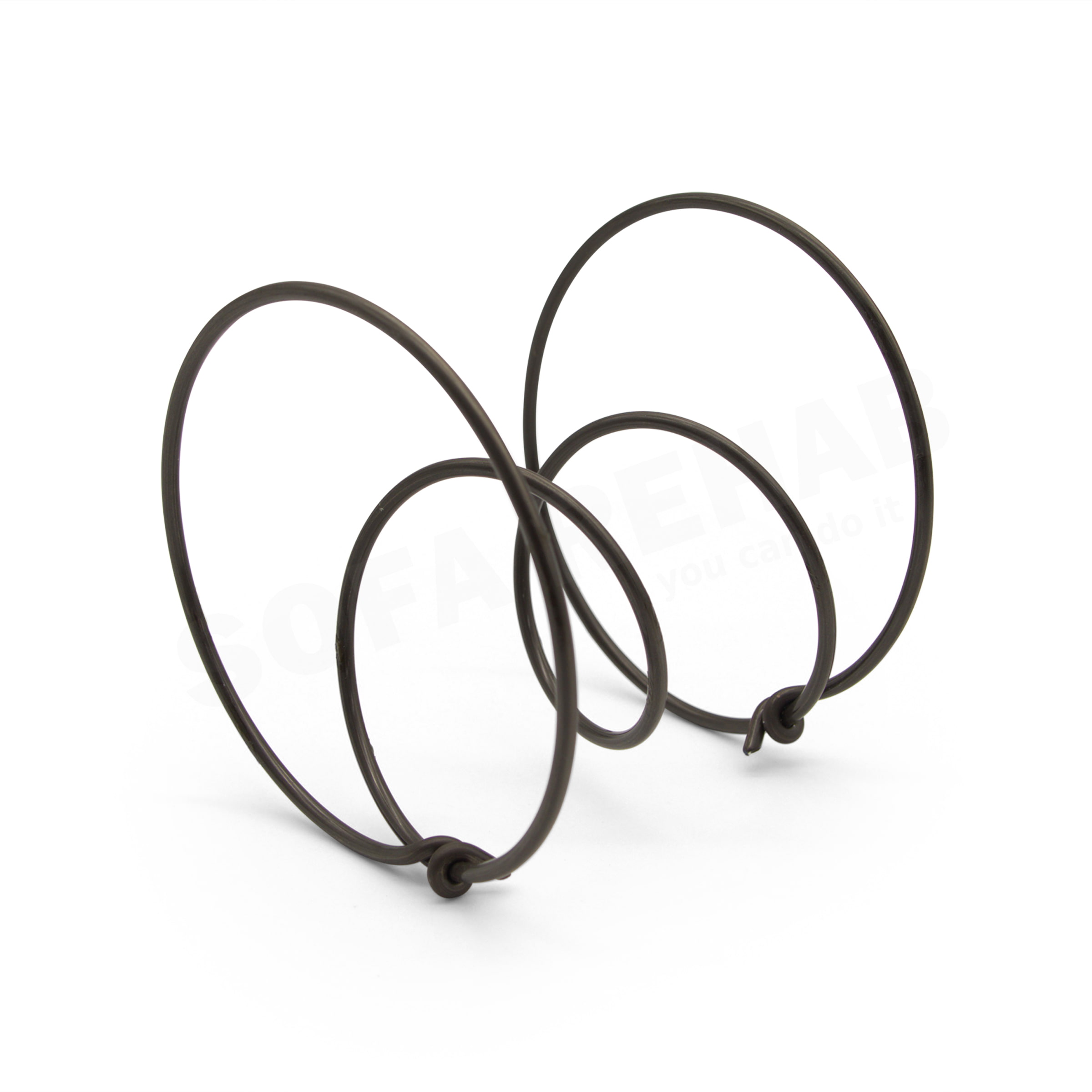
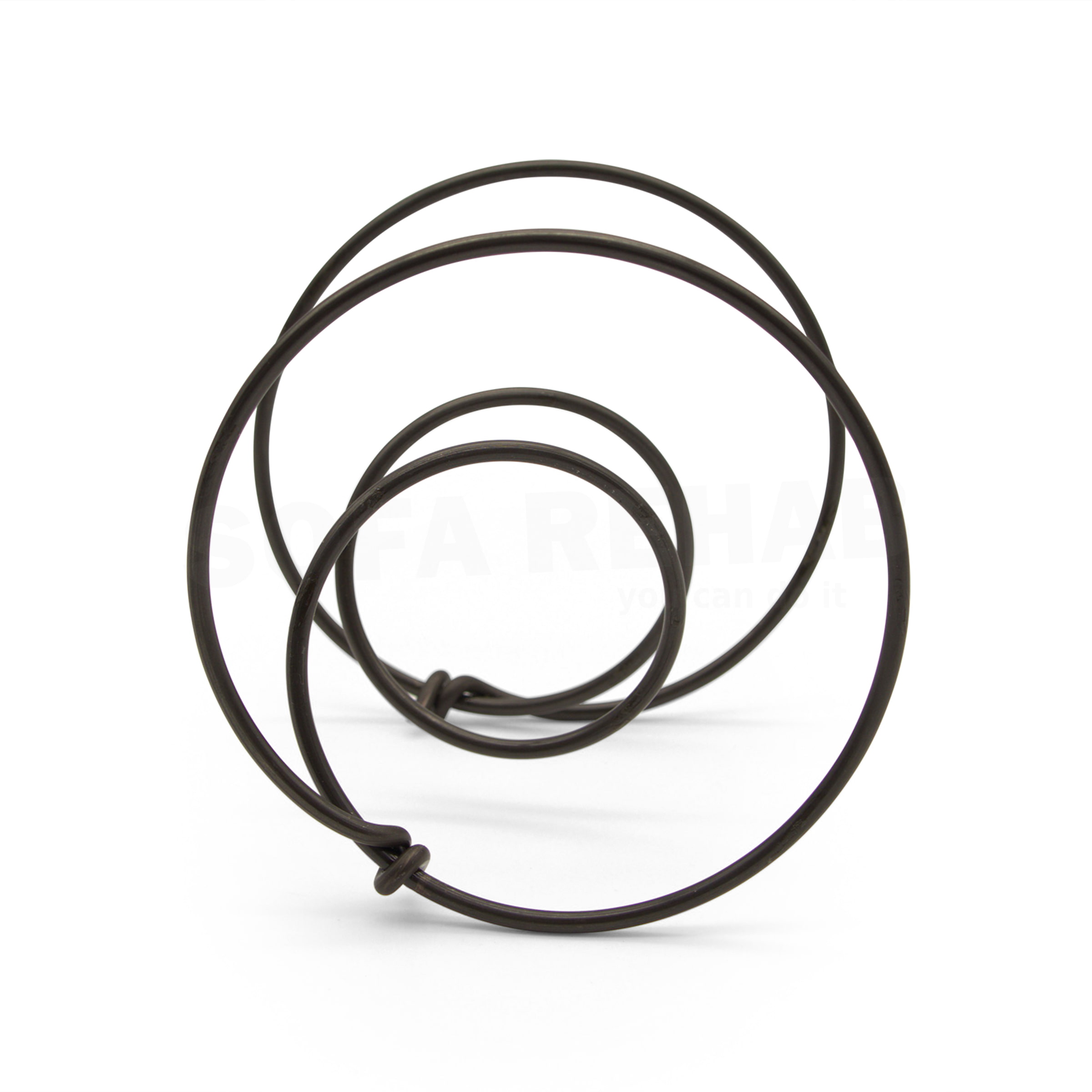
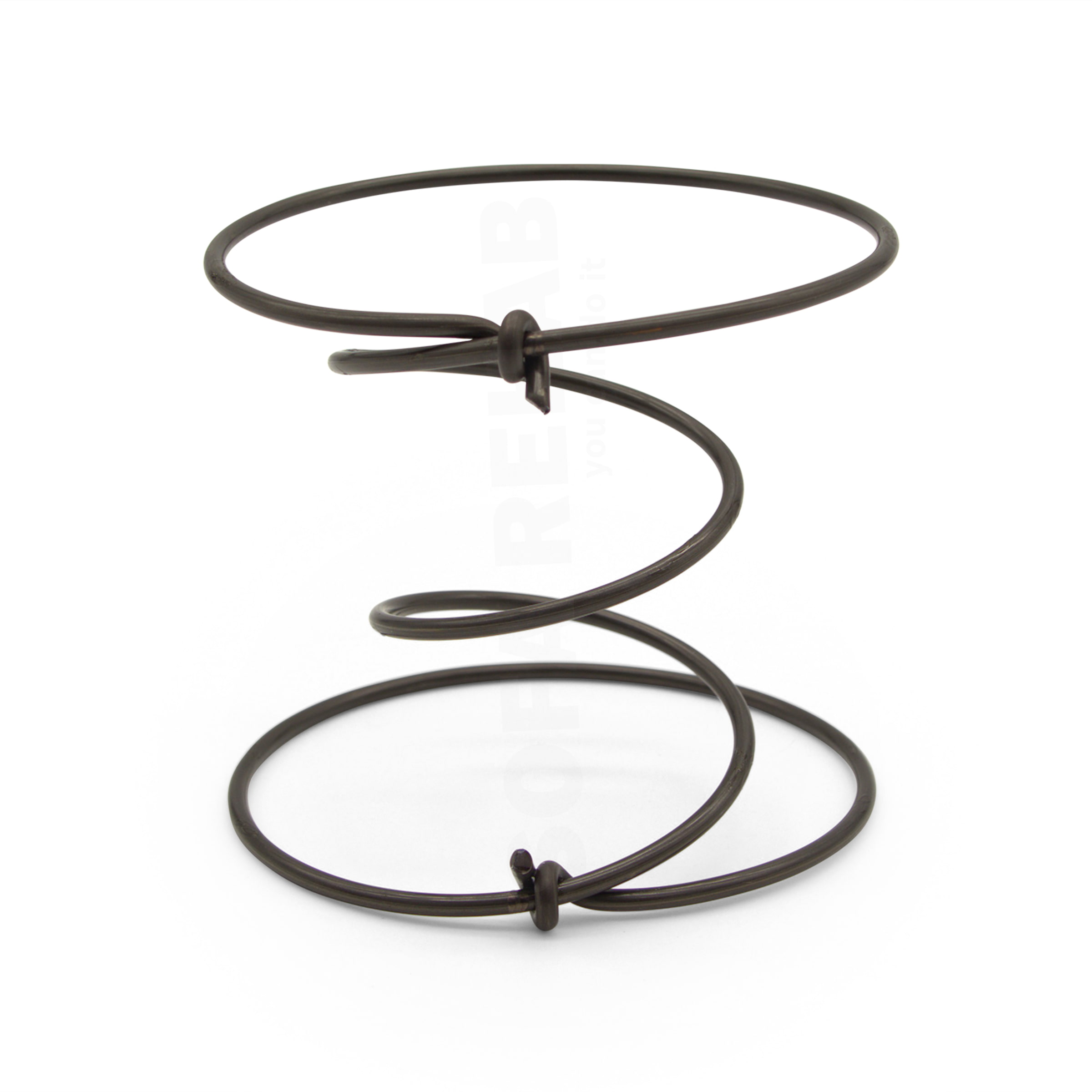
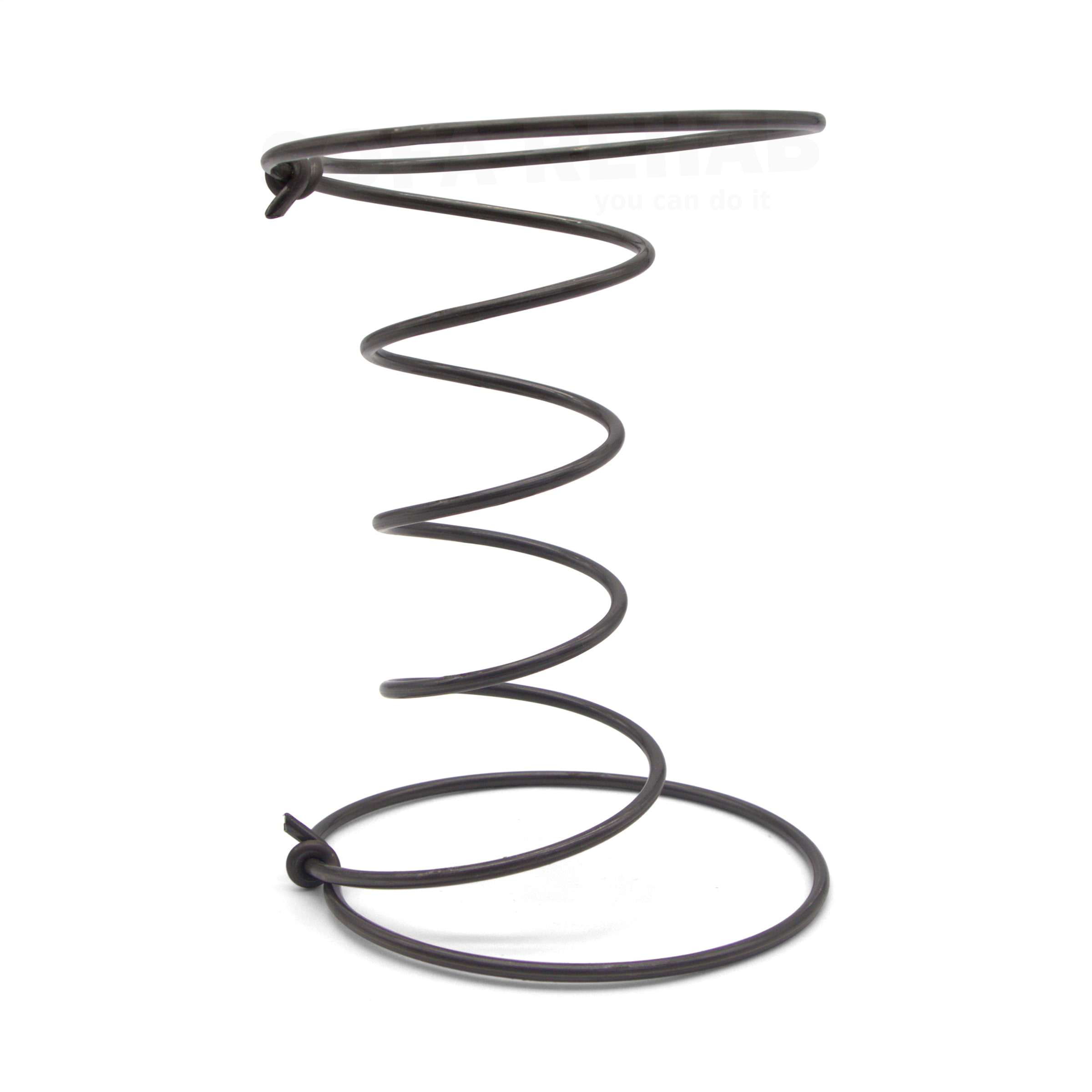
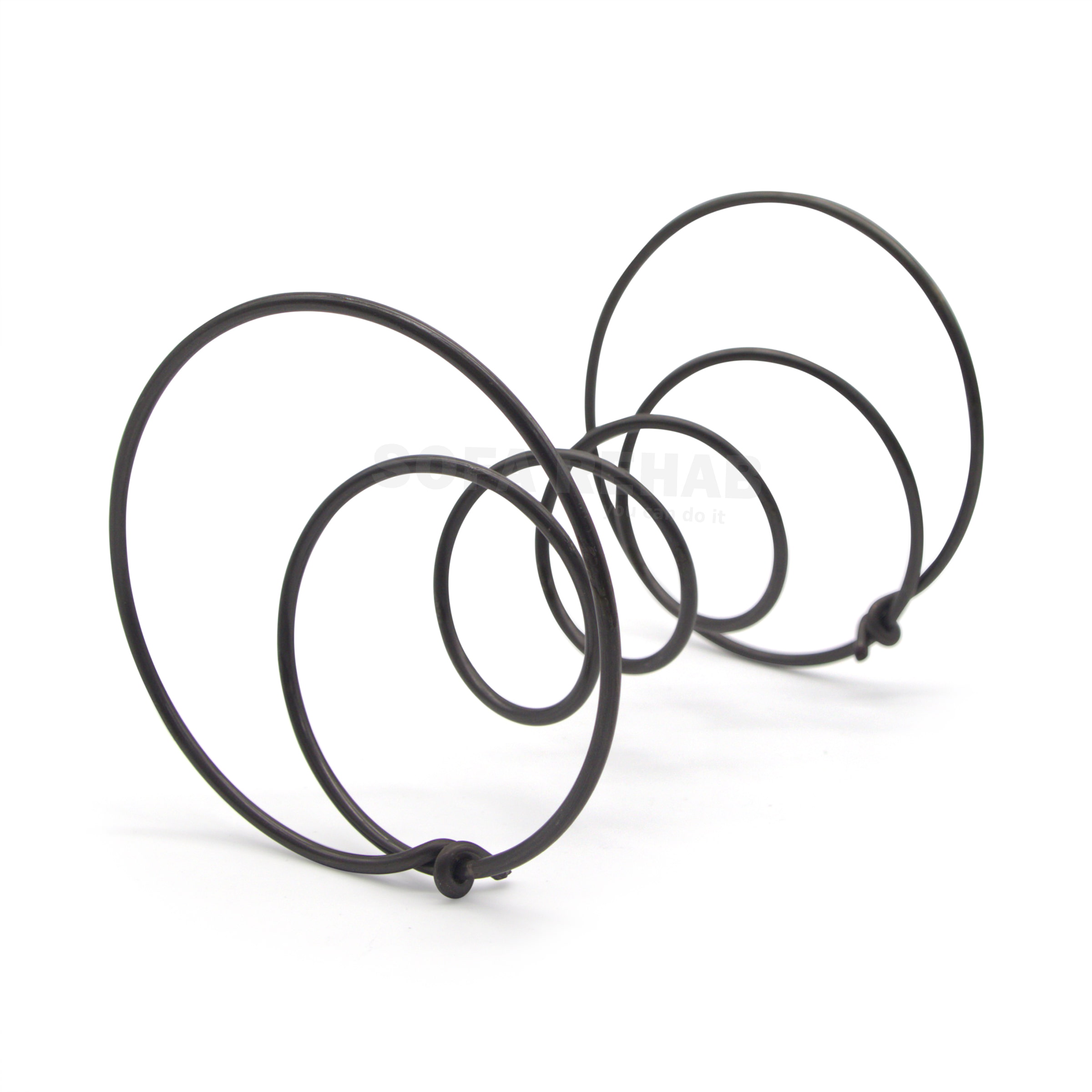
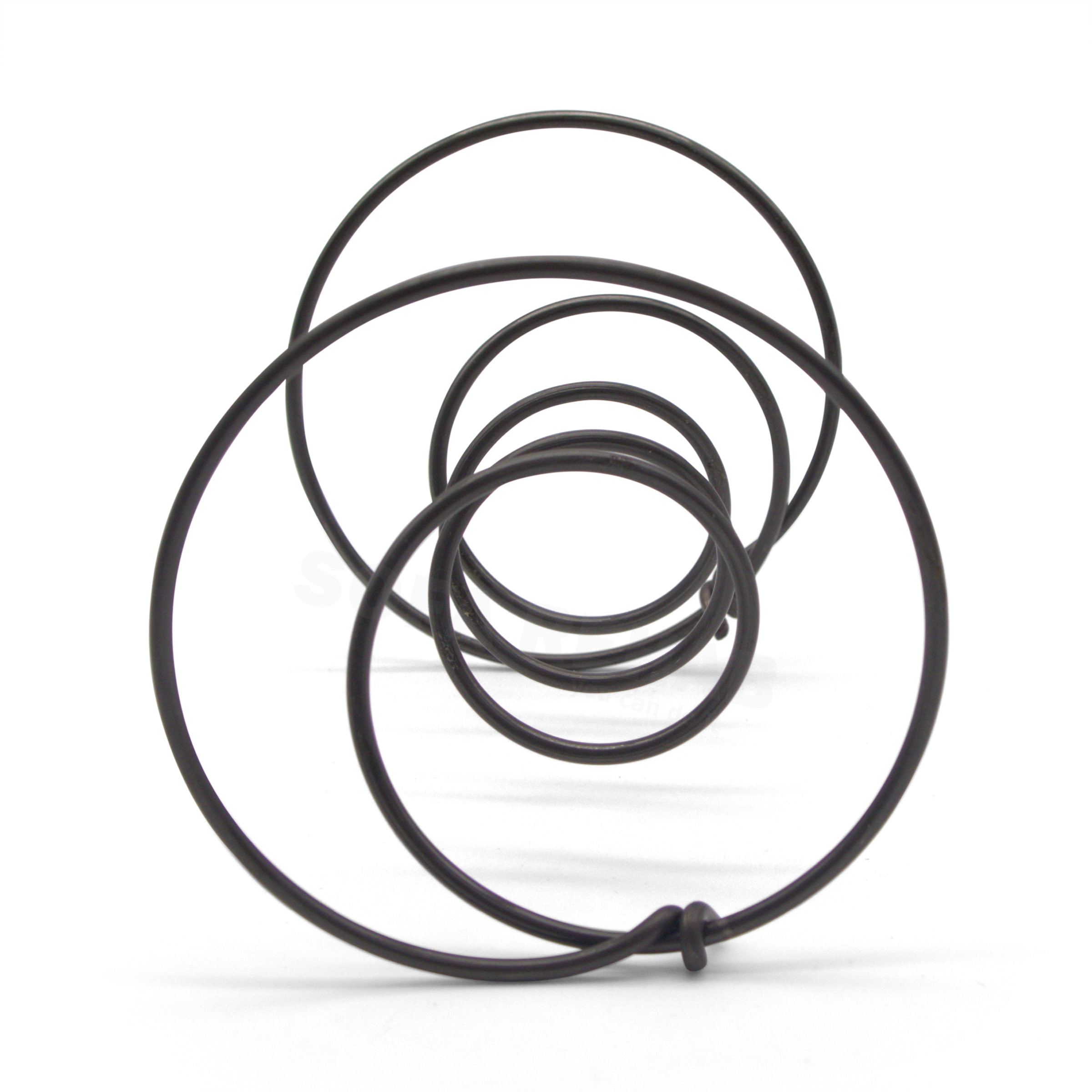
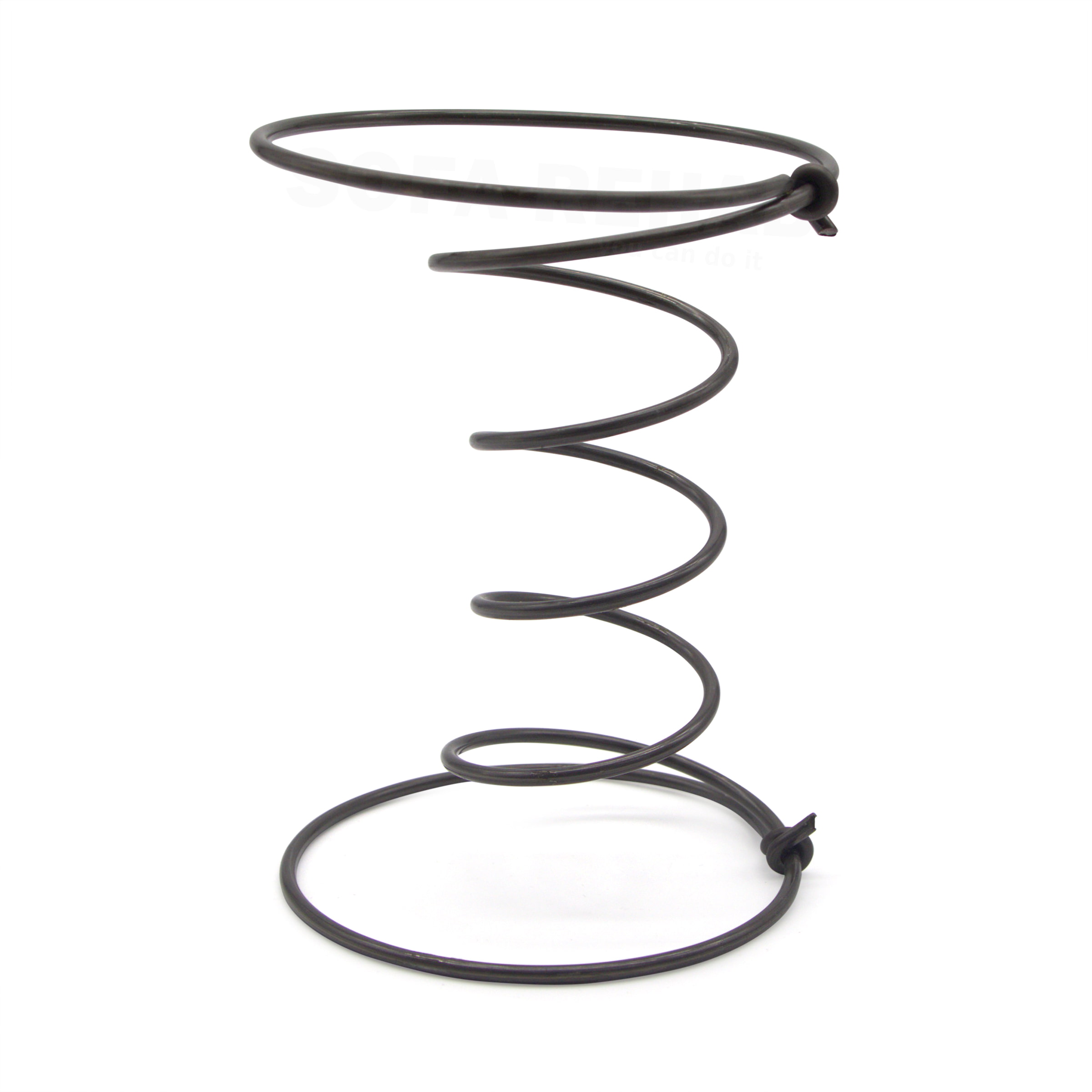
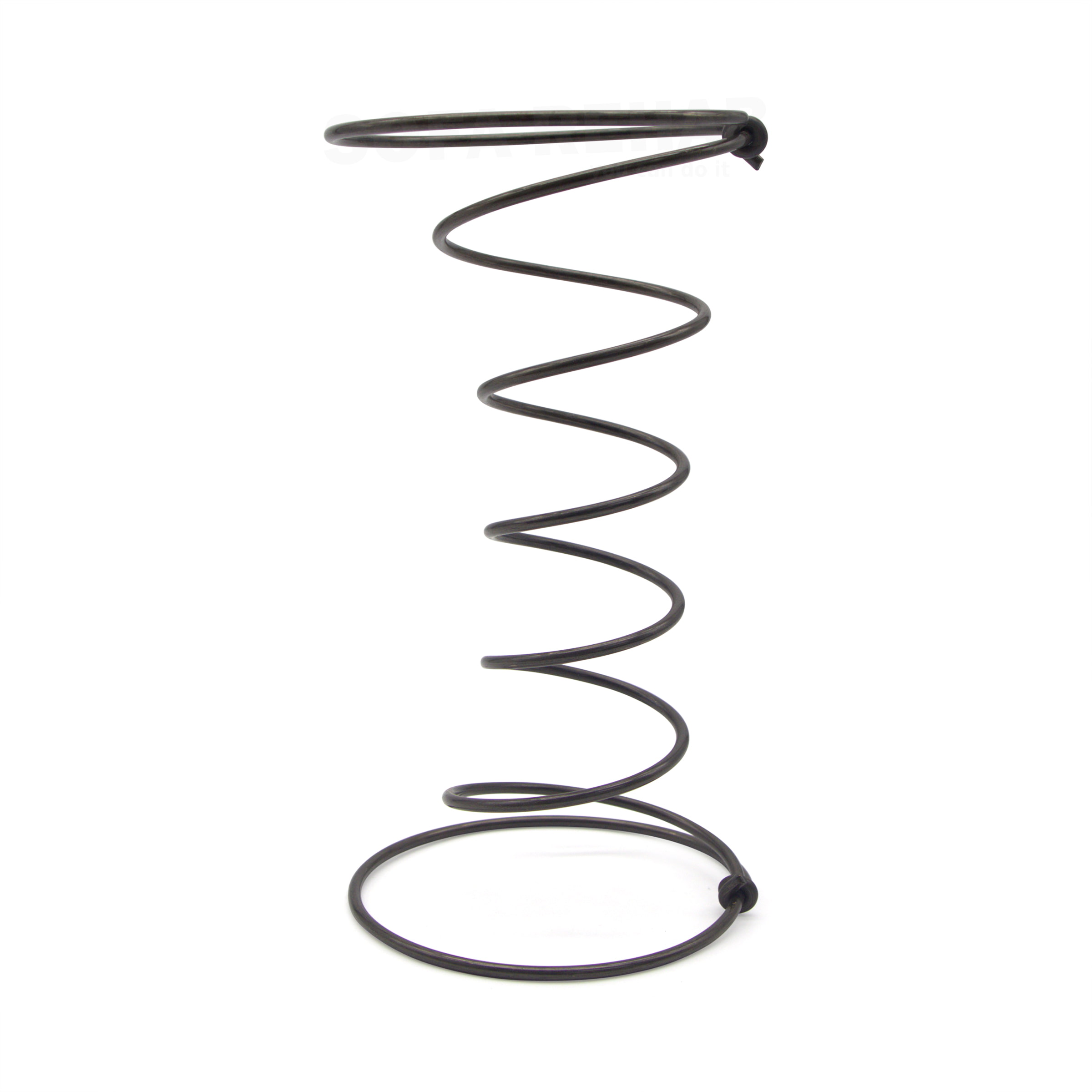
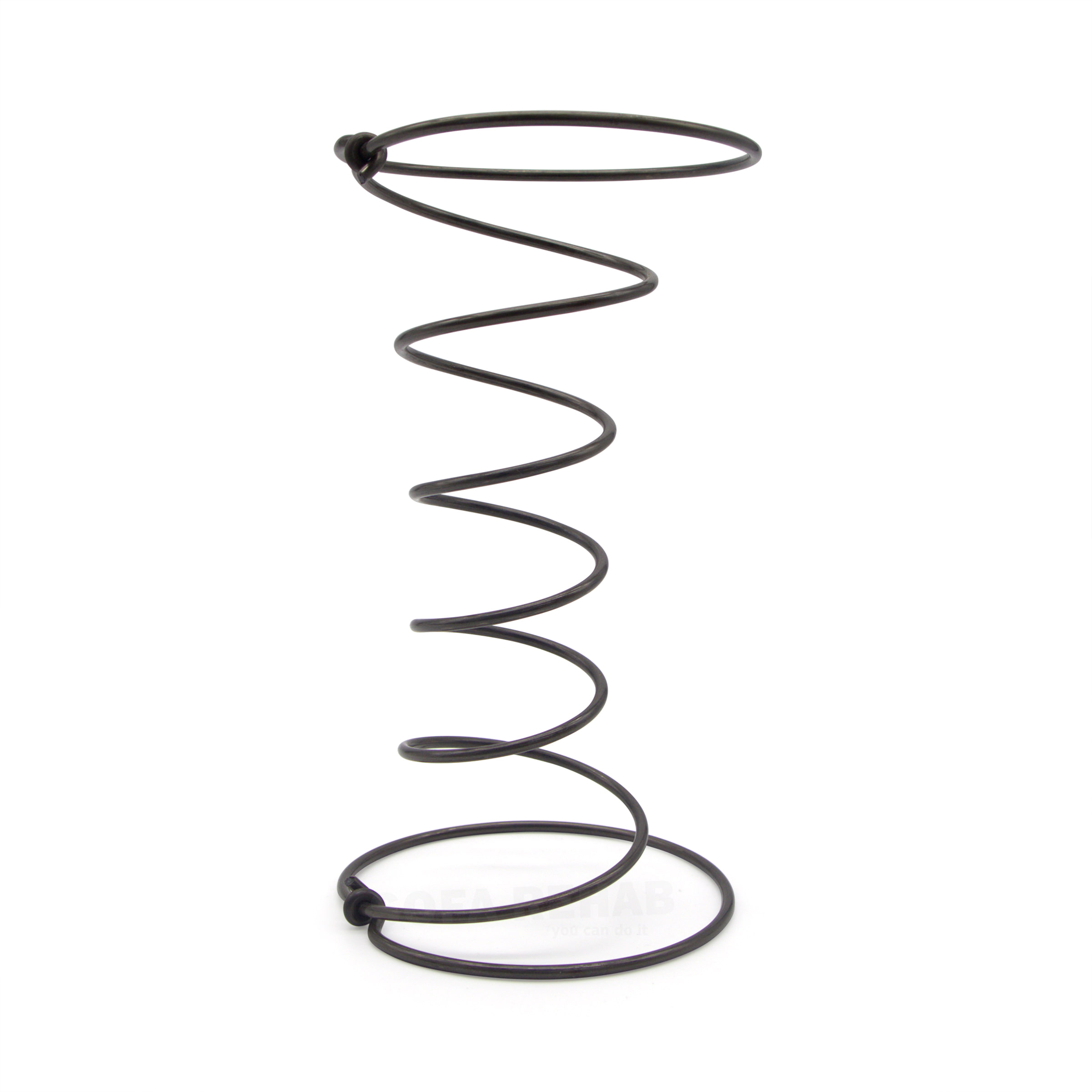
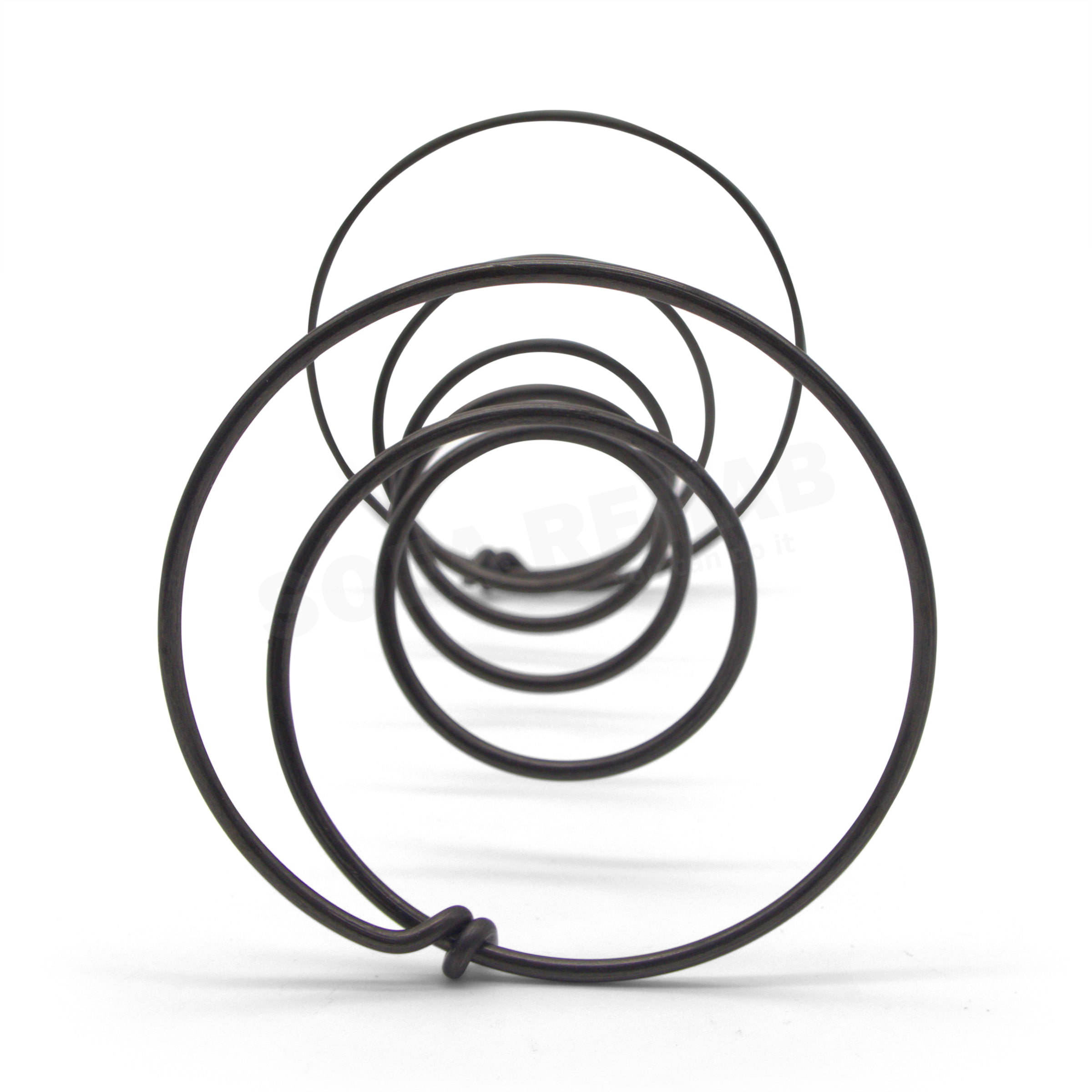
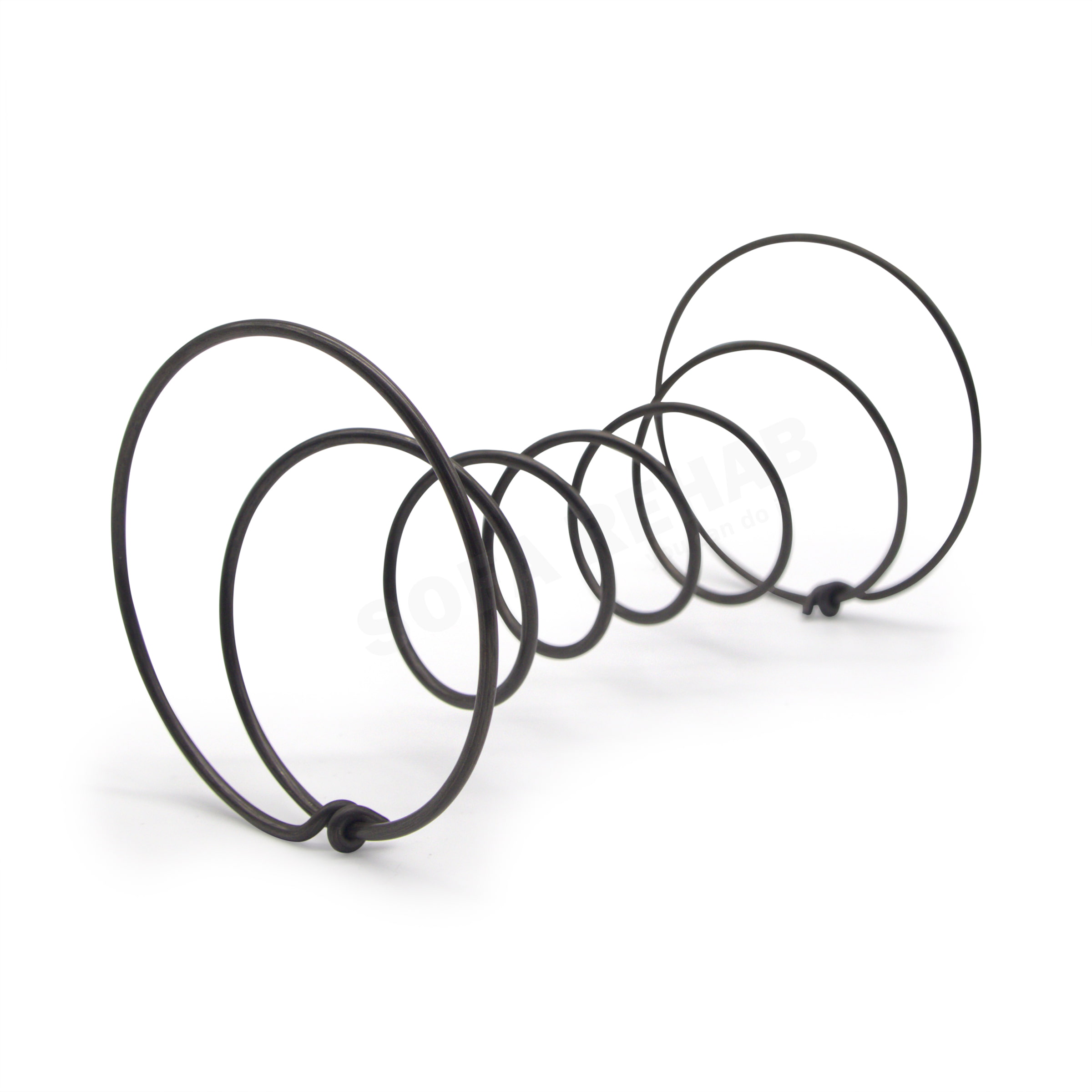
These 10 gauge upholstery coil springs, also known as hourglass springs or biconical springs, are designed for traditional sprung seat construction in sofas, armchairs, lounges, antique chairs and quality upholstered furniture. They are used underneath the padding and upholstery coverings to provide structure, bounce, depth and long-term seating support.
Available in 4 Inch, 6 Inch and 8 Inch Heights
Our upholstery coil springs are available in three seat grade sizes:
- 4 inch, approximately 100mm loose height, with 2 inner coils tapering to approximately 59mm diameter.
- 6 inch, approximately 150mm loose height, with 4 inner coils tapering to approximately 52mm diameter.
- 8 inch, approximately 200mm loose height, with 5 inner coils tapering to approximately 52mm diameter.
All three sizes are made from 10g steel wire, approximately 3.5mm thick, and have a 100mm diameter top coil and 100mm diameter bottom coil. The inner coil measurements are approximate because the spring tapers inward from the wider top and bottom coils toward the narrower centre.
Please note that all spring heights are measured while the spring is loose, not fitted, not tied down and not compressed. Once installed into a sprung seat platform, the finished working height can vary depending on the webbing tension, spring spacing, tie-down tension, upholstery method and padding layers.
How Coil Springs Are Used in Traditional Upholstery
Traditional upholstery coil springs are usually installed upright as part of a sprung seat platform. A strong webbing base, often jute webbing, is stretched across the furniture frame first. The springs are then positioned on the webbing and secured at the bottom before being tied together at the top with upholstery spring twine.
Once the springs are tied into position, hessian, burlap or a similar upholstery material is commonly fitted over the top before the padding layers are built up. These padding layers may include felt, fibre, foam, cotton or other stuffing materials depending on the age, design and quality of the furniture.
This style of construction allows the spring system to support the seat from beneath, while the padding above provides softness and shape. A simple way to think of it is that foam gives softness, but coil springs give the seat its structure, resilience and long-term support.
Coil Springs Compared with Zig Zag Springs and Elastic Webbing
Coil springs, zig zag springs and elastic webbing can all be used to support upholstered seating, but they are different systems. Zig zag springs and elastic webbing are commonly used in modern furniture because they can be faster and more cost-effective to install. They can still provide good support when used correctly, but they do not create the same traditional hand-tied seat platform as coil springs.
Coil springs are more closely associated with antique furniture, traditional upholstery and higher-end upholstered seating. They usually create a deeper, more responsive and more classic upholstered feel. For restoration work, replacing or resetting coil springs can help preserve the original construction style of the furniture.
If you are unsure whether your furniture uses coil springs, zig zag springs or elastic webbing, check underneath the seat or contact us for help before ordering.
Restore Your Furniture Yourself and Save
Replacing or resetting upholstery coil springs is a more involved repair than changing a simple recliner handle or plug-in spare part, but it is achievable for capable DIY furniture restorers with patience, the right materials and a careful approach. The spring height, spring spacing, webbing tension, tie-down tension and padding build-up will all influence the comfort and shape of the finished seat.
Whether you are restoring an antique armchair, repairing a sagging lounge, rebuilding a traditional sofa seat or working on a custom upholstery project, these coil springs are a practical choice for creating lasting support. Do it yourself and save money while enjoying the satisfaction of bringing quality furniture back to life.
If you need help choosing the right upholstery spring, webbing, hessian or other furniture repair supplies, contact the Sofa Rehab team. We are here to help you find the right products for your repair project.
Save Time & Money and Do It Yourself
With the right tools, materials and a little patience, replacing or resetting your own upholstery seat springs is a rewarding DIY furniture repair. Follow our how-to guide for practical guidance, then enjoy the satisfaction of restoring comfort and support to your furniture while saving money in the process.
Technical Specifications
Technical Specifications
General Information For All Upholstery Coil Springs
| Type of Spring: | Traditional upholstery coil spring, also known as hourglass spring or biconical spring |
|---|---|
| Application: | Seat support for sofas, armchairs, lounges, antique chairs and traditional upholstered furniture |
| Material: | High-grade steel |
| Wire Thickness: | Approx 3.5mm |
| Gauge: | 10 gauge seat spring |
| Top Coil Diameter: | Approx 100mm |
| Bottom Coil Diameter: | Approx 100mm |
| Spring Shape: | Hourglass / biconical design with wider top and bottom coils, tapering inward through the centre |
| Measurement Method: | Spring heights are measured loose, not fitted, not tied down and not compressed |
| Traditional Installation: | Commonly fixed to webbing and hand tied with spring twine to create a sprung seat platform |
Individual Upholstery Coil Spring Specifications
| 4 Inch (100mm) Upholstery Coil Spring | |
|---|---|
| Loose Height | 4″ or approx 100mm |
| Gauge | 10 gauge seat spring |
| Wire Thickness | Approx 3.5mm |
| Top Coil Diameter | Approx 100mm |
| Bottom Coil Diameter | Approx 100mm |
| Inner Coils | 2 inner coils |
| Approx Narrowest Inner Coil Diameter | Approx 59mm |
| 6 Inch (150mm) Upholstery Coil Spring | |
| Loose Height | 6″ or approx 150mm |
| Gauge | 10 gauge seat spring |
| Wire Thickness | Approx 3.5mm |
| Top Coil Diameter | Approx 100mm |
| Bottom Coil Diameter | Approx 100mm |
| Inner Coils | 4 inner coils |
| Approx Narrowest Inner Coil Diameter | Approx 52mm |
| 8 Inch (200mm) Upholstery Coil Spring | |
| Loose Height | 8″ or approx 200mm |
| Gauge | 10 gauge seat spring |
| Wire Thickness | Approx 3.5mm |
| Top Coil Diameter | Approx 100mm |
| Bottom Coil Diameter | Approx 100mm |
| Inner Coils | 5 inner coils |
| Approx Narrowest Inner Coil Diameter | Approx 52mm |
*Note all quoted measurements are approximate and subject to change. Spring heights are measured while the spring is loose, not fitted, not tied down and not compressed. Finished working height may vary depending on the upholstery method, webbing tension, tie-down tension and padding build-up.
How To Measure
How To Measure
There are several ways to identify which upholstery coil spring size you need for your repair. Please follow the most appropriate guide below that suits your furniture, abilities and repair requirements.
Our coil spring heights are measured while the spring is loose, not fitted, not tied down and not compressed. Once installed, the working height can change depending on webbing tension, tie-down tension, spring spacing and padding build-up.
Tools Required
Essential – Tape measure, tailor’s tape or ruler.
Maybe – Staple lifter, pliers, side cutters, upholstery needle, spring twine, staples and stapler.
Measuring an Existing Loose Coil Spring
- Remove the damaged or loose upholstery coil spring from the furniture, if it is safe and practical to do so.
- Place the spring upright on a flat surface without compressing it.
- Measure the full height from the bottom coil to the top coil. This is the loose spring height.
- Measure the diameter across the top coil and bottom coil. Our coil springs have an approximate 100mm diameter at both the top and bottom.
- Measure the wire thickness if you have calipers available. Our springs are approximately 3.5mm thick, 10 gauge seat grade wire.
- Count the smaller inner coils and compare them with our sizes: 4 inch has 2 inner coils, 6 inch has 4 inner coils and 8 inch has 5 inner coils.
- Order the closest matching spring size based on the loose height, coil diameter, wire thickness and inner coil count.
Measuring a Coil Spring Still Fitted in Furniture
- Lay a drop sheet on the floor and carefully turn the furniture over on its side or back, using safe lifting techniques.
- Remove or loosen the base cloth, dust cover or underlining fabric if fitted, so you can see the spring platform.
- Locate a matching spring that is not broken, badly bent, collapsed or leaning.
- Measure the height of the spring as best as possible from the bottom attachment point to the top of the spring.
- Remember that a fitted spring may be compressed or tied down, so this measurement may be shorter than the loose replacement spring height.
- Measure the top and bottom coil diameter if accessible. Our springs have an approximate 100mm diameter at both ends.
- Check the general shape, wire thickness and number of inner coils to help confirm the closest replacement size.
Choosing Between 4 Inch, 6 Inch and 8 Inch Springs
- Choose the 4 inch, 100mm spring when your original loose spring is closest to 100mm high and has 2 inner coils.
- Choose the 6 inch, 150mm spring when your original loose spring is closest to 150mm high and has 4 inner coils.
- Choose the 8 inch, 200mm spring when your original loose spring is closest to 200mm high and has 5 inner coils.
- If your existing spring is still tied into the furniture, allow for the fact that it may be compressed lower than its original loose height.
- If you are replacing multiple springs in the same seat, try to match all springs in that section for height, gauge and support where possible.
Checking the Webbing, Ties and Padding
- Before ordering, check whether the spring itself is damaged or whether the issue is caused by loose twine, stretched webbing, collapsed padding or a broken edge wire.
- In traditional upholstery, the spring is commonly fixed to jute webbing at the bottom and hand tied at the top with spring twine.
- If the webbing is stretched, torn or sagging, replacing the spring alone may not restore the seat support.
- If the spring is leaning or popping upward, the spring may need to be reset and retied rather than replaced.
- If the padding above the spring platform has collapsed, the seat may still feel low or uncomfortable even after the springs are corrected.
Need Help Choosing the Right Coil Spring?
- If you are unsure which size you need, contact us before ordering and we can help you compare your measurements.
- Helpful details include the loose spring height, fitted spring height, top and bottom coil diameter, wire thickness, number of inner coils and clear photos of the spring platform.
- Please also let us know whether the repair is for a sofa, armchair, dining chair, antique chair, lounge or custom upholstery project.
How To Install
How To Install
NOTE THE BELOW INSTRUCTIONS ASSUME YOU HAVE REMOVED ANY FABRIC, DUST COVER, PADDING OR ACCESSORIES REQUIRED TO EXPOSE THE SPRING AREA!
These instructions are a general guide for traditional upholstery coil springs, also known as hourglass springs or biconical springs. The exact method can vary depending on the furniture frame, spring layout, webbing, edge wire and upholstery style. Take care when working with springs, staples, webbing and hand tools.
Tools Required
Essential tools include:
- Staple lifter or flat head screwdriver
- Pair of pliers
- Hammer
- Tape measure
- Upholstery needle
- Spring twine
- Staples and stapler
Maybe – Side cutters, webbing stretcher, replacement jute webbing, hessian or burlap, edge wire, upholstery tacks and tack hammer.
Preparing the Spring Platform
Before installing the coil springs.
- Take care when removing staples, tacks, old webbing, spring twine or damaged springs as they may be sharp or under tension.
- Remove the old fabric, dust cover, padding and hessian as required to expose the existing spring platform.
- Inspect the timber frame for cracks, loose joints or damage before fitting new springs.
- Check the existing webbing. If the webbing is stretched, torn, loose or sagging, replace it before installing the coil springs.
- Measure and mark the spring positions so the springs are spaced evenly across the seat frame.
- If you are replacing only one spring, copy the position, height and tie direction of the surrounding springs where possible.
Fixing the Coil Springs to Webbing
Installing the springs onto the base.
- Position each coil spring upright on the webbing with the wider tied-off coil sitting flat against the webbing.
- Make sure the spring is centred in its marked position and sitting straight, not leaning forward, backward or sideways.
- Secure the bottom coil of each spring to the webbing using strong upholstery stitching or spring twine.
- Fix each spring firmly enough that it stays in position while still allowing the spring to compress and return correctly.
- Repeat this process for each coil spring being installed or replaced.
- Check the spring layout before tying the tops together. The springs should be aligned, evenly spaced and sitting upright.
8-Way Hand Tying the Springs
Traditional hand-tied spring support.
- Use suitable spring twine for tying the springs. Waxed hemp/linen spring twine, often known as Ruby Italian spring twine, is traditionally used. High-tensile polyester spring twine is also commonly used by professional upholsterers.
- Tie the springs so they are held at the correct height and angle for the finished seat shape.
- In traditional 8-way hand-tied upholstery, each spring is tied in multiple directions, including front-to-back, side-to-side and diagonally.
- This tying pattern helps the springs work together as one stable platform rather than moving independently.
- Keep the tension firm and even across the spring unit so the seat has balanced support and does not pull the springs out of alignment.
- If your furniture uses an edge wire, tie the front springs to the edge wire to help keep the front seat edge firm, even and properly shaped.
- Check that all springs compress smoothly and return to position without leaning, wobbling or catching on surrounding materials.
Fitting Hessian and Rebuilding the Padding
Finishing the spring platform.
- Once the springs are secured and tied, fit hessian, burlap or a similar upholstery material over the top of the spring platform.
- Secure the hessian to the frame so it covers the spring unit and helps create a stable base for the padding layers.
- Rebuild the padding above the springs using suitable upholstery materials such as felt, fibre, foam, cotton or other stuffing materials.
- Shape the padding carefully so the finished seat feels even and supportive.
- Refit the upholstery fabric, leather, dust cover, frame parts and any accessories previously removed.
- Test the seat carefully before use to make sure the springs feel stable, supportive and evenly tensioned.
Important Installation Notes
- Spring heights are measured while the spring is loose, not fitted, not tied down and not compressed.
- The finished working height of the spring will depend on the webbing tension, tie-down tension, spring spacing and padding build-up.
- If the seat is sagging, the issue may be caused by stretched webbing, loose spring ties, collapsed padding or a broken edge wire rather than the spring itself.
- For best results, replace or reset all weak parts of the spring platform rather than only replacing one visible component.
- If you are unsure how to tie the springs or rebuild the padding, contact us for guidance before starting your repair.
Reviews (0)
Thank you for making an effort to leave a reivew but to protect against spam we only accept reviews from verified owners. Please proceed to login using the same email address you used when ordering the product.
Customer Login
- There are no reviews yet.
FAQs
FAQs
What are upholstery coil springs used for?
Upholstery coil springs are used to provide structure, bounce and long-term support in traditional upholstered seats. They are commonly used in sofas, armchairs, lounges, antique chairs, vintage furniture and higher quality upholstery projects where a sprung seat platform is required.
Are these the same as zig zag springs?
No, coil springs and zig zag springs are different types of seat support. Coil springs, also known as hourglass springs or biconical springs, are installed upright and are commonly tied into a traditional spring platform. Zig zag springs are shaped metal springs that usually run from the front to the back of the seat frame. Coil springs are more commonly associated with traditional upholstery, antique restoration and deeper seat comfort.
How do I choose between the 4 inch, 6 inch and 8 inch sizes?
Choose the spring height that best matches your original loose spring. Our available sizes are 4 inch (100mm), 6 inch (150mm) and 8 inch (200mm). These measurements are taken while the spring is loose, not fitted, not tied down and not compressed. If your old spring is still installed, it may measure shorter because it is already compressed or tied into the furniture.
What does 10 gauge mean?
The gauge refers to the thickness of the spring wire. These springs are 10 gauge seat springs with an approximate wire thickness of 3.5mm. This makes them a firmer seat grade spring suitable for seating areas where support and resilience are required.
Can I install these coil springs myself?
Yes, capable DIY furniture restorers can install or reset coil springs with the right tools, materials and patience. Traditional installation usually involves fixing the springs to webbing, tying them with spring twine, then rebuilding the hessian and padding layers above. If you are unsure which spring size you need or how to approach your repair, contact us for guidance before ordering.
Related products

From $33.99
Upholstery Stay Wire & Clips Kit

From $7.00
Standard Duty Seat Springs
$14.99